Mystical Forest Typeface: A Handwritten Font for Real-World Branding
It started like most projects do—me sitting at my desk, sipping lukewarm coffee, and staring at a blank brand board. The client was a small handmade soap shop that wanted to feel cozy, artisanal, and a bit magical. I needed a font that could reflect the warmth of their craft without feeling too formal or too whimsical. That’s when I stumbled across Mystical Forest, a fun and casual handwritten typeface from Script Amp. I knew right away it had potential.
A Warm Welcome in Typography
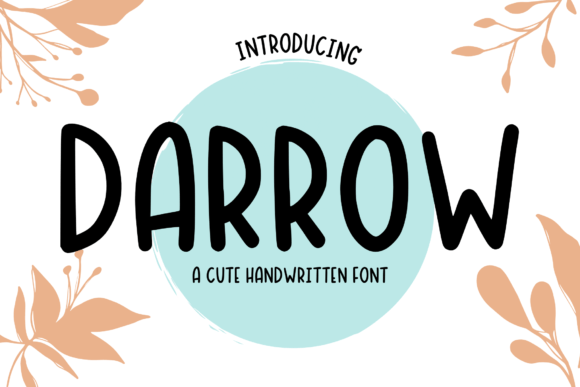
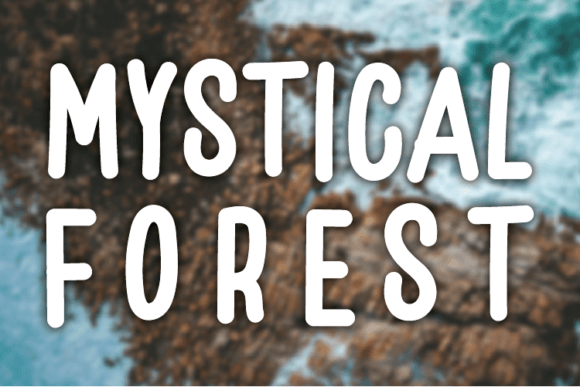
At first glance, Mystical Forest feels inviting. It’s got a natural, almost scribbled quality that gives off the vibe of someone writing with intention but also ease. Each letter is slightly unique, with flowing strokes and gentle variations in weight and slant. It doesn’t shout; it whispers. That kind of subtlety is perfect for brands that want to feel personal and authentic.
I began by testing it on a logo draft. The name of the shop was “Herbal Haven,” and the previous designs felt either too rigid or too playful. When I applied Mystical Forest to the logotype, the result was balanced and approachable. It gave the impression of handcrafted care without sacrificing clarity. Even though it’s a script-style font, it still maintained enough structure to be legible in both large and medium sizes.
Bringing Personality to Packaging
Next up was packaging design. For product labels, you often need something that stands out but also blends with the overall aesthetic. I used Mystical Forest as the headline for each label, paired with a clean sans serif for body text. This created contrast while keeping things readable. The handwritten style added a human touch that made the products feel more intentional and less mass-produced.
One thing I noticed early on was how well this font works in print. On mockups of jars and tins, the texture of the strokes actually enhanced the tactile feel of the materials. The subtle irregularities in the letters didn’t clash with high-quality photography—they complemented it. It’s rare to find a script font that looks good both digitally and physically, but Mystical Forest pulls it off with grace.
Readability Matters More Than You Think
Some designers shy away from handwritten fonts because they worry about readability. But with Mystical Forest, I found that it’s surprisingly versatile. As long as you use it in short form—logos, headlines, taglines—it holds its own. I tested it at different sizes and line lengths, and it performed best when kept to 10–12 characters per line. Beyond that, the flow starts to get a little bumpy.
This led me to consider where else to use it. In social media graphics, for example, it shines. I designed an Instagram post using Mystical Forest for the hero text and a modern sans serif for supporting copy. The combination felt fresh and aligned with the brand’s desire to look creative yet trustworthy. People are drawn to handwritten fonts because they feel real, and in the right context, they can really elevate engagement.
Building Visual Hierarchy with Care
In editorial design, visual hierarchy is everything. I used Mystical Forest sparingly but strategically. For instance, it worked beautifully as section headers in a printed catalog. Pairing it with a more structured serif font allowed the reader to easily navigate the content while still enjoying a sense of personality. The key here was restraint—using it only where it would make the biggest impact.
On the website, I reserved it for the homepage hero section and call-to-action buttons. It brought a soft, organic energy to the otherwise clean layout. Viewers responded positively during user testing, noting that the site felt welcoming and easy to read. That’s a win in any designer’s book.
Testing Before Committing
Before committing to Mystical Forest for the full brand system, I ran through a few tests. I printed business cards and mocked up a sample menu for the café attached to the shop. The font looked great on both, especially when paired with a warm color palette and simple iconography. I also checked the included styles and alternates—there were several options to choose from, which helped keep the branding consistent while allowing for some variation across assets.
Another consideration was multilingual support. While the shop primarily served English-speaking customers, the client wanted to offer a few French-sounding herbal names on their products. Mystical Forest handled those accents smoothly, which made it easier to adapt the font for future international expansion if needed.
Font Pairing Tips for Maximum Impact
When working with a handwritten font like Mystical Forest, pairing it with the right secondary typeface is crucial. I found that it pairs exceptionally well with minimalist sans serifs like Montserrat or Lato. These fonts provide a neutral background that lets the script shine without competing for attention.
If you’re going for a more classic or sophisticated look, a serif font like Merriweather or Playfair Display can add elegance. I tried this combo on a product description panel and it worked surprisingly well—the script introduced charm, while the serif grounded the message in professionalism.
For clients who love bold contrasts, you can even pair Mystical Forest with a geometric sans serif like Futura or Bebas Neue. Just make sure the display font is used only for very short phrases. This approach adds a modern twist while maintaining the original character of the handwritten typeface.
Design Assets and Commercial Use
As part of the project, I needed to ensure all design assets were cohesive. Mystical Forest was used consistently across logos, packaging, web headers, and even a custom illustration I did for the client. The file formats provided were standard—TTF and OTF—which made integration into various platforms smooth. Whether the client was using Adobe Illustrator for print or Canva for social posts, the font adapted well.
Commercial licensing wasn’t an issue either. The font is available for commercial use, so we could confidently apply it to branded merchandise like tote bags, stickers, and mugs. It’s always reassuring to know that a font isn’t just beautiful but also legally sound for client work.
Final Observations and Recommendations
By the time the project wrapped up, Mystical Forest had become one of the standout elements of the brand identity. It added warmth and a sense of craftsmanship that resonated with the client’s values. But what really impressed me was how adaptable it was. It didn’t demand to be the star of every show—it played well in multiple roles, depending on the context.
Here’s how I’d recommend using it:
- Logo Design: Great for short names and taglines. It brings a personal, artistic edge.
- Packaging Design: Ideal for headlines or titles. Pairs well with simpler typefaces for body text.
- Social Media Graphics: Perfect for hero text or quotes. Adds a friendly, engaging tone.
- Web Headers: Works well on hero sections, buttons, and banners. Just avoid using it for long paragraphs.
- Printed Marketing Materials: Looks excellent on posters, flyers, and brochures when used as a display font.
What I wouldn’t suggest is using Mystical Forest for body copy or long-form text. Its charm lies in its fluidity, but that same fluidity can hurt readability in extended passages. Stick to using it as a display or accent typeface, and let it play off of more structured fonts in the rest of your design system.
Realistic Expectations and Practical Advice
When recommending a font like Mystical Forest to clients, I always emphasize the importance of testing it in real-world scenarios. Try it on a variety of surfaces—business cards, digital ads, packaging mockups—and see how it behaves under different conditions. Does it hold up in black and white? How does it look on a small label sticker versus a large banner?
Also, don’t forget to check the licensing details. Some premium fonts come with restrictions, but Mystical Forest is clear on what it allows. It’s always better to confirm before finalizing anything, especially if the brand plans to scale quickly or sell online.
Ultimately, Mystical Forest isn’t just another pretty script. It’s a thoughtful, versatile handwritten typeface that can bring life to a brand’s visual story. Whether you're designing for a boutique, a skincare line, or a local restaurant, this font has the potential to enhance your work in meaningful ways—without overdoing it.
And that’s what makes it special. It’s not trying too hard to be trendy or dramatic. Instead, it quietly adds character and charm to whatever it touches. If you're looking for a font that feels real, relatable, and refined, Mystical Forest might just be the one to try next.